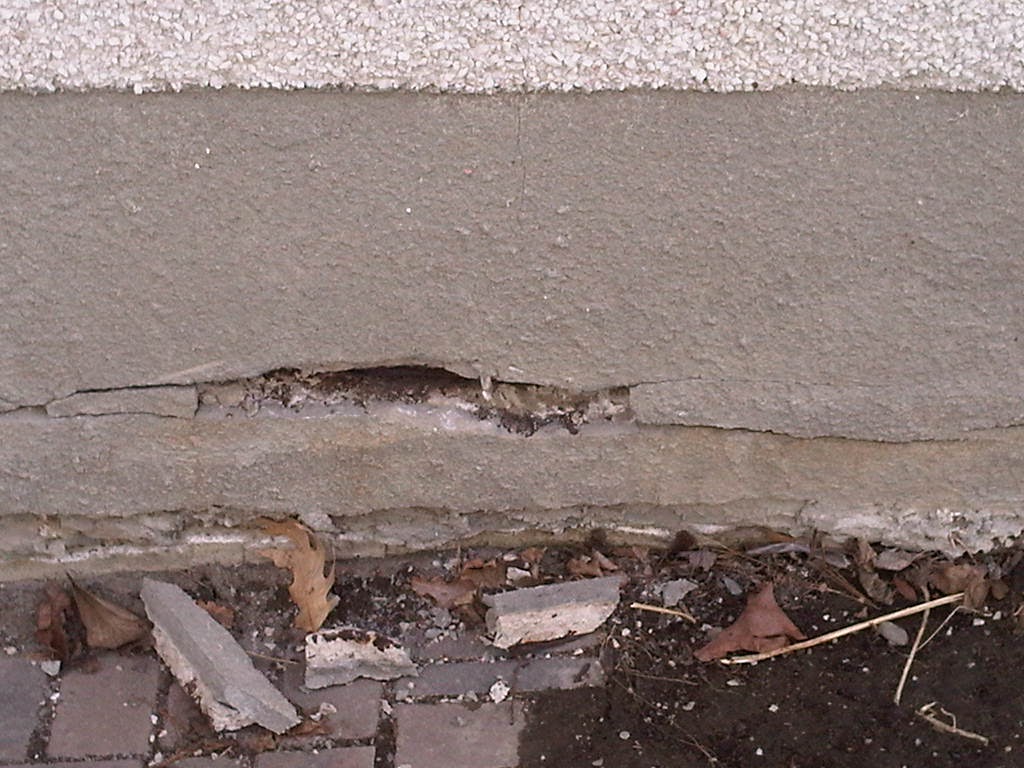
Step 1: Find the Root Cause
Foundation cracks can develop for many reasons, including freeze-thaw cycles, soil movement, poor drainage, settling, construction issues, or pressure against the foundation wall.
A proper foundation inspection helps determine what caused the crack and whether it is mostly cosmetic, water-related, or a sign of a larger structural concern.
Step 2: Choose the Right Repair Materials
Once the crack has been inspected, the repair method and materials can be selected. Depending on the crack, contractors may use materials such as hydraulic cement, epoxy, urethane, or polyurethane.
Using the wrong material can lead to failed repairs, recurring leaks, or further damage. That is why foundation crack repair should be handled by professionals who understand the cause, crack type, and moisture conditions.
Step 3: Repair, Smooth, and Seal the Crack
After the proper repair material is chosen, the crack is filled, smoothed, and sealed to help prevent water from entering the foundation again.
A good repair does more than stop a basement leak. It helps reinforce the affected area, protects the foundation wall, and reduces the risk of future moisture problems.
Depending on the condition of your home, related services such as basement waterproofing, injection sealing, or weeping tile improvements may also be recommended.
Why This Work Should Be Left to Professionals
Exterior concrete cracks can look simple from the outside, but the cause is not always obvious. A professional can assess the crack, identify underlying concerns, recommend the right repair, and explain how to reduce the chance of the issue returning.
It is always wise to speak with qualified foundation specialists, compare experience and pricing, and ask for references before moving forward.